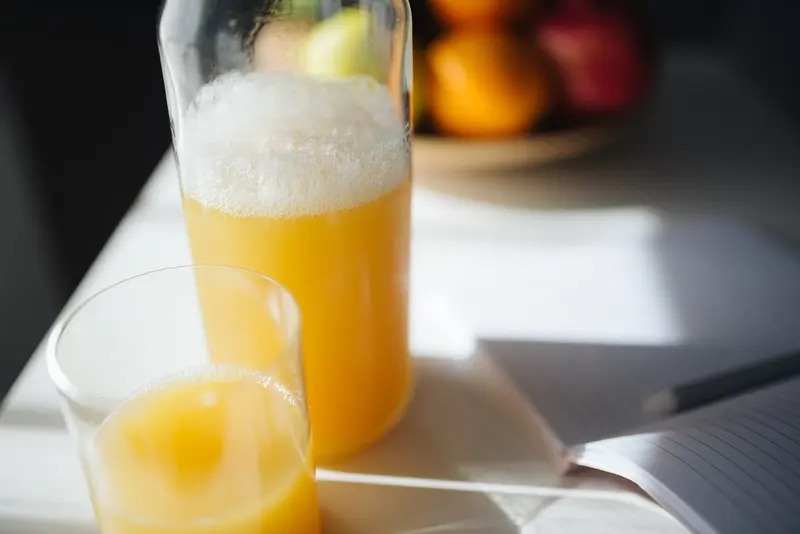
In December a slush machine tends to come out for a few busy evenings in a row. Making the mixes ahead means you aren't squeezing lemons while guests arrive, and a mix that starts cold freezes faster. A little care with storage keeps it safe.
This article follows the Food Standards Agency's advice on chilling and freezing. For planning the evening itself (how many batches, running order, labels) see our slush party planning guide.
Mix, then chill
Most slush mixes are simple: juice, squash or a fizzy drink, sometimes fresh fruit, sugar syrup and water. Make the mix, check the sugar with the calculator, then put it in a clean, covered jug or bottle in the fridge.
The FSA says your fridge should be between 0 and 5°C, and suggests checking it with a fridge thermometer, ideally once a week. Fridges get crowded and opened often at Christmas, so a quick check before a party is worth it.
A few practical points:
- Label each jug with what it is and the day you made it. If you are making both a children's mix and a grown-up one, write that on the label in large letters.
- Fizzy drinks lose some fizz once opened, but for the machine it is the sugar that matters. Keep the bottle closed and chilled until you need it.
- Fresh fruit purées and dairy mixes (frappés, milkshakes, lassi) are perishable. Treat them like any other chilled food and use them promptly.
These recipes chill well ahead of time:
Citrus & lemonade
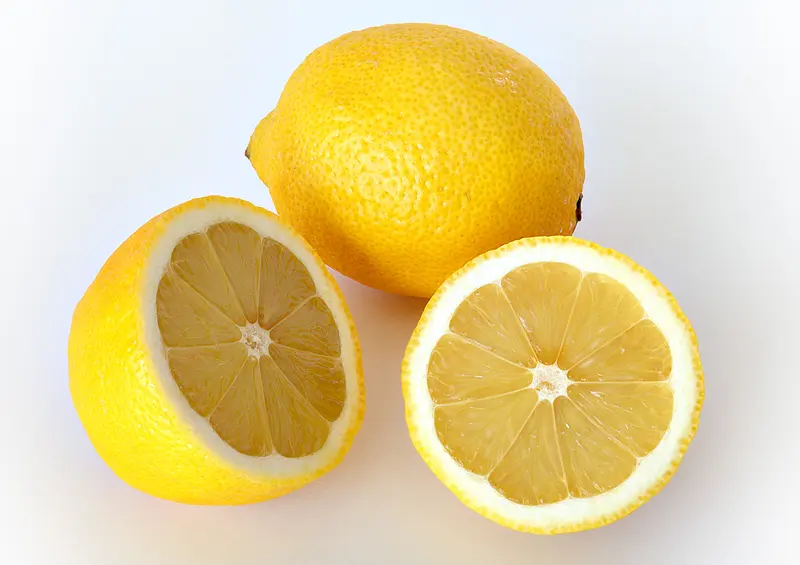
Fresh lemonade slush
Sharp, proper lemonade slush from lemons, sugar and water — no fizz needed.
Photo: André Karwath aka Aka, CC BY-SA 2.5
Fruit slushes
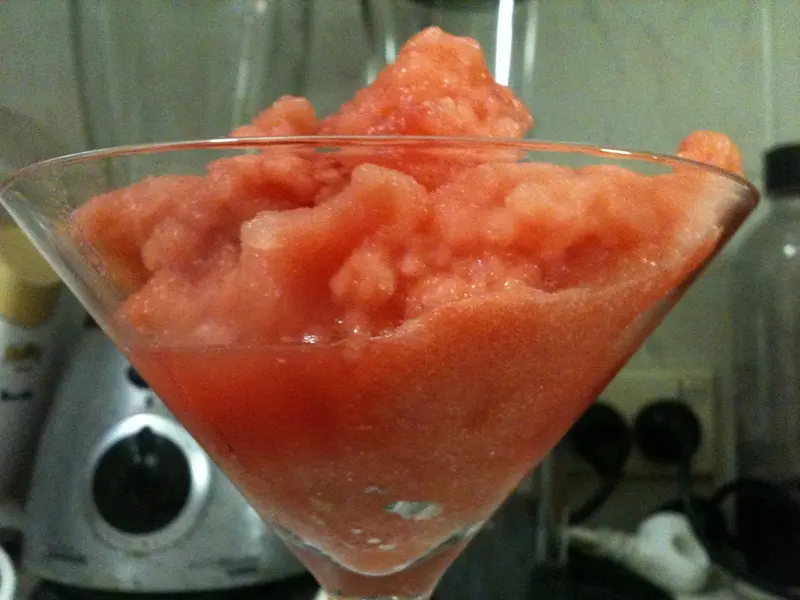
Watermelon & lime slush
Blitzed watermelon with lime and a little sugar — summery, pink and properly slushy.
Fruit slushes
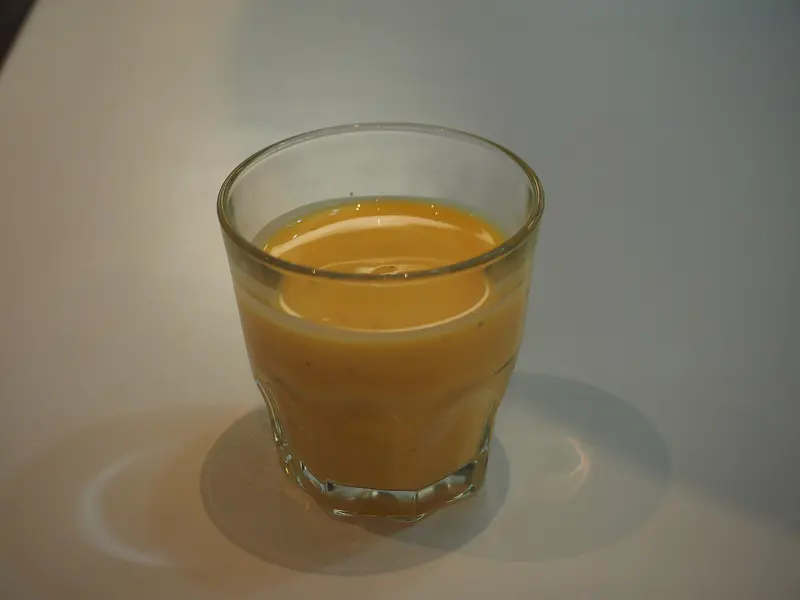
Mango lassi slush
Mango, yoghurt, milk and a hint of cardamom — a creamy frozen lassi on the Milkshake setting.
Photo: JIP, CC BY-SA 4.0
Leftover slush
The FSA's advice on leftovers is about cooked food, but its principles are a good guide for any food that has been sitting out: get it back into the fridge promptly, and use it soon. It says to refrigerate leftovers within two hours, to eat them within 48 hours, and to freeze them if that won't be possible.
For slush that means:
- Don't leave the machine holding a half-full vessel all night. When the party is over, pour what's left into a covered container.
- Fridge: it will melt back to a drink, which you can freeze again in the machine another day.
- Freezer: set at around -18°C, as the FSA recommends, it will freeze solid. That makes good ice lollies (in lolly moulds) or ice cubes for the next batch.
- Dairy-based leftovers are best used up or thrown away rather than kept for days.
Melted slush is a drink again. Fruit juice and dairy mixes left at room temperature are food that bacteria can grow in; the FSA describes 8 to 63°C as the 'Danger Zone'. If in doubt, throw it out.
Clean the machine before it goes away
A mix stored carefully loses its advantage if it goes into a machine that wasn't cleaned after the last party. Rinse and clean the vessel, lid and auger as the manual says; our cleaning & troubleshooting guide covers the usual steps and the common faults.
Allergens and glycerol in made-ahead mixes
Once a mix is in an unlabelled jug, nobody can read the ingredients. The FSA lists 14 allergens that must be declared on food labels, including milk, nuts, peanuts, soya and sulphites (often found in wine and some fruit products). If you're making mixes for guests, keep the original bottles or a note of what went in, so you can answer questions.
If you are using a bought slush syrup, check the label for glycerol (E422). The FSA advises that children under seven should not have slush drinks containing glycerol, and that children aged 7 to 10 should have no more than one 350 ml drink a day. Our safety & health page has the full advice.
General information only. This article summarises official UK guidance and the makers’ own information; it isn’t medical, legal or financial advice. Follow your machine’s manual. If you are worried about someone who is unwell, call NHS 111, or 999 in an emergency.
Sources
- Food Standards Agency: How to chill, freeze and defrost food safely
- Food Standards Agency: Food allergy and intolerance advice for consumers
- Food Standards Agency: Glycerol (16 July 2025)
Checked: