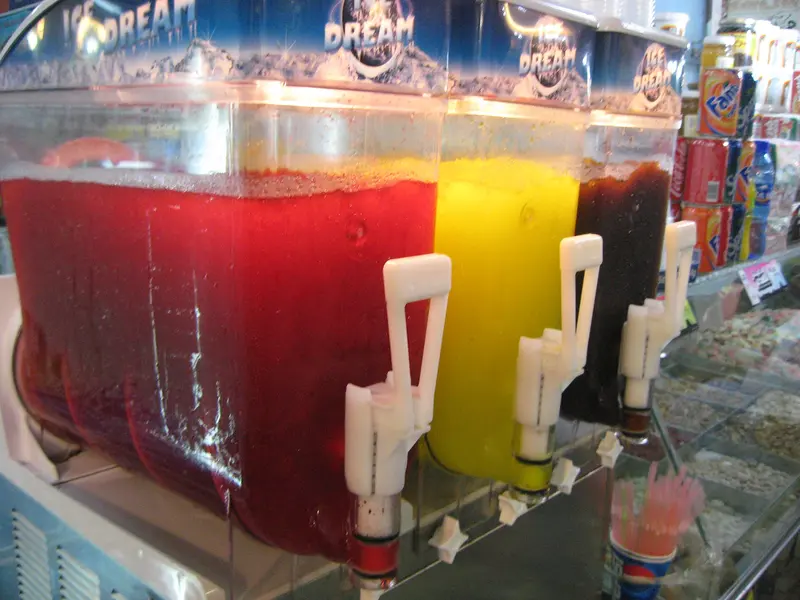
After the Christmas party season, plenty of people take a break from alcohol in January. A slush machine is handy for that: a frozen drink feels like an occasion, whether or not there is anything stronger than lime in it.
This article covers making alcohol-free slushes that still freeze properly, and what the words on a 'no and low' drink label actually mean in the UK.
Dry January in brief
Dry January is run by the charity Alcohol Change UK: 31 days alcohol-free in January. The charity offers a free app, Try Dry, for tracking dry days, units and money saved, and says people who use its free tools are about twice as likely to complete the month.
Alcohol Change UK warns that the challenge isn't right for everyone: people who are clinically alcohol dependent can die if they suddenly stop drinking completely. If that might apply to you, talk to your GP or a local alcohol service about cutting down safely.
Alcohol-free slush that actually freezes
The good news for an alcohol-free month is that alcohol makes slush harder, not easier. Alcohol lowers the freezing point, which is why home machines put a limit on it. Without it, the machine only has to deal with sugar and water.
The catch is sugar. Home compressor machines need a minimum amount of sugar to make slush rather than ice (see how slush machines work), so the 'diet' versions of many mixers won't work on their own. Some ideas that do:
- A virgin mojito: lime, mint and full-sugar lemonade, frozen together.
- A sharp lemonade slush made from fresh lemons and sugar syrup.
- Watermelon and lime, with a little sugar to reach the minimum.
- A cola slush for those who miss a rum and cola, using full-sugar cola.
These are from our recipe shelf, alcohol-free only:
Fruit slushes
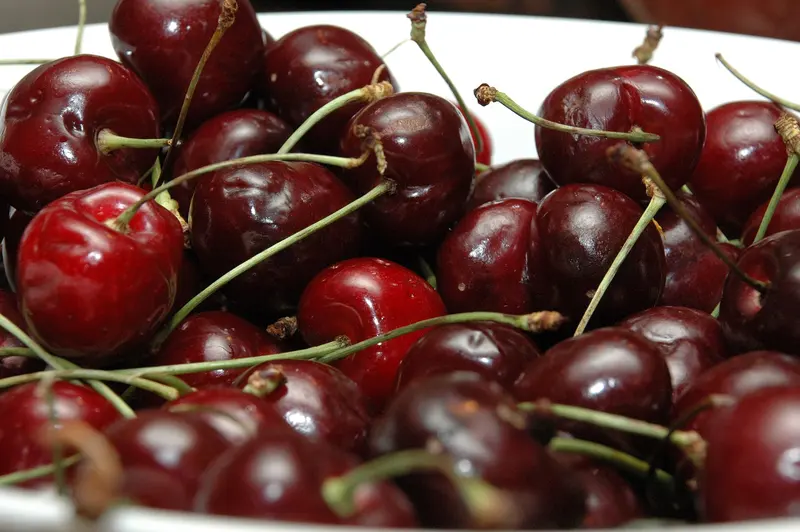
Classic cherry slush
The seaside favourite made at home: cherry squash, water and enough sugar to slush properly.
Photo: ShakataGaNai, CC BY-SA 3.0
Kids’ party
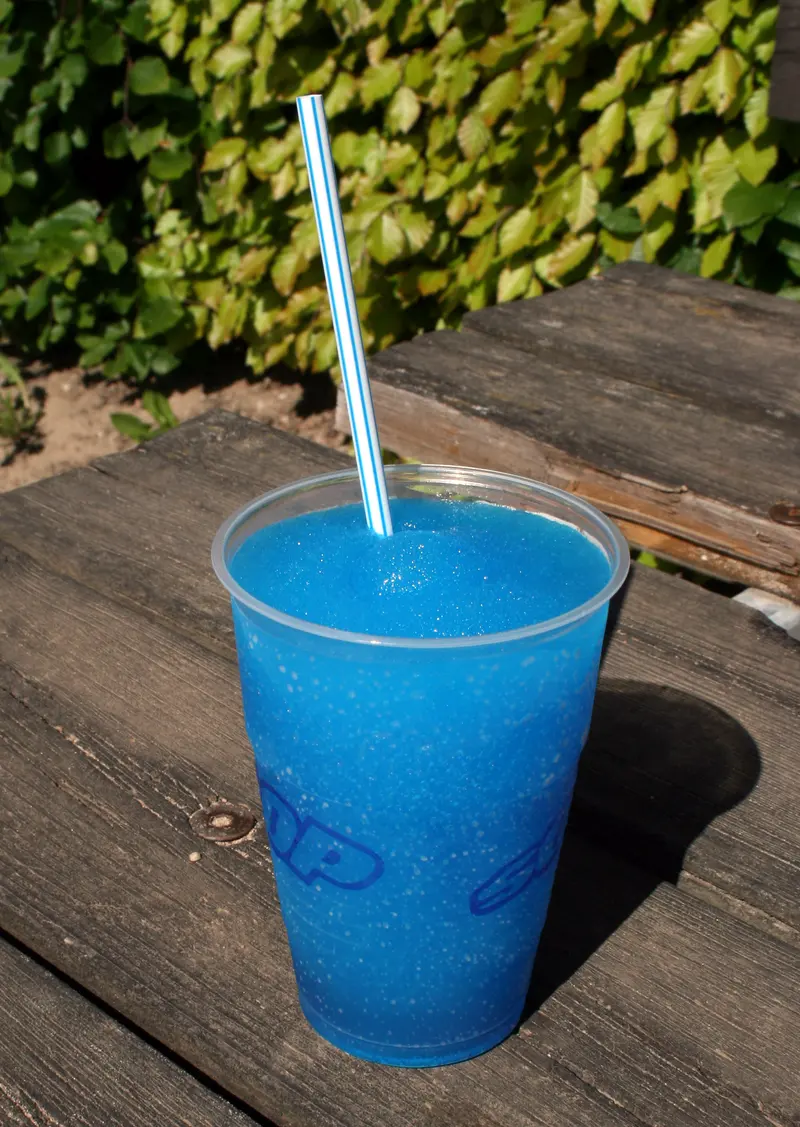
Blue raspberry party slush (glycerol-free)
The bright blue party classic, made with a sugar-based, glycerol-free syrup — the right choice when young children are drinking it.
Photo: Entheta, CC BY-SA 3.0
Cola & fizzy
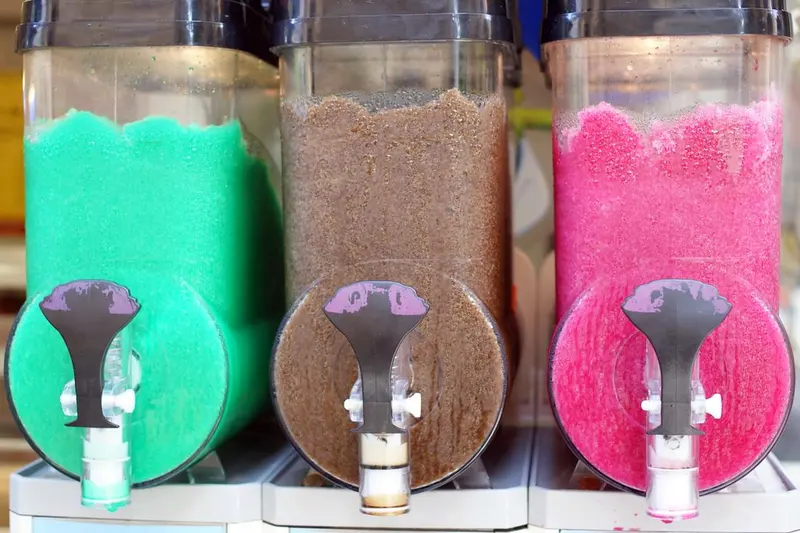
Cola slush
The simplest slush there is: pour in a full-sugar cola and press start. Diet cola won’t work — here’s why.
Photo: uitdragerij, CC BY 2.0
Citrus & lemonade
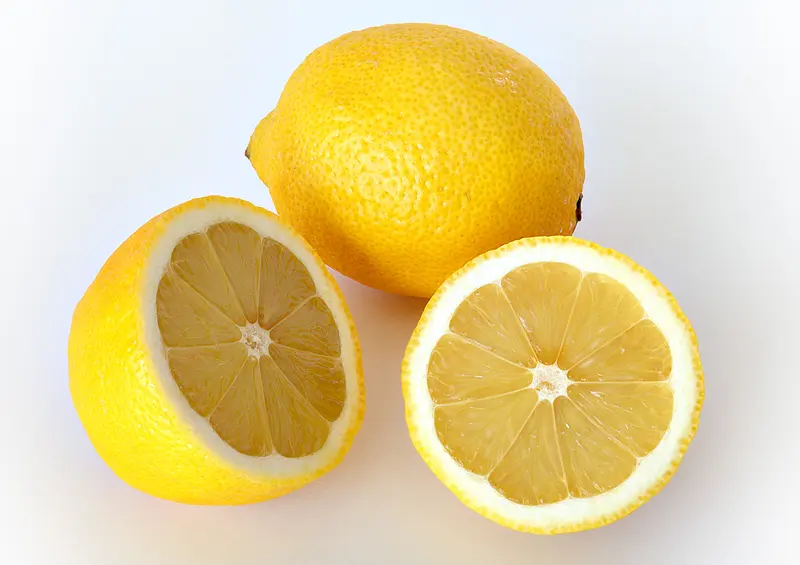
Fresh lemonade slush
Sharp, proper lemonade slush from lemons, sugar and water — no fizz needed.
Photo: André Karwath aka Aka, CC BY-SA 2.5
Fruit slushes
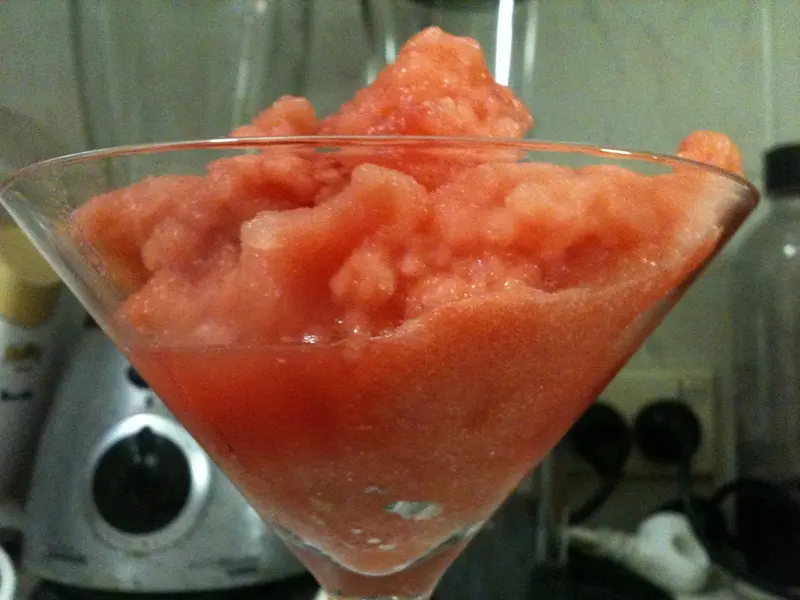
Watermelon & lime slush
Blitzed watermelon with lime and a little sugar — summery, pink and properly slushy.
Fruit slushes
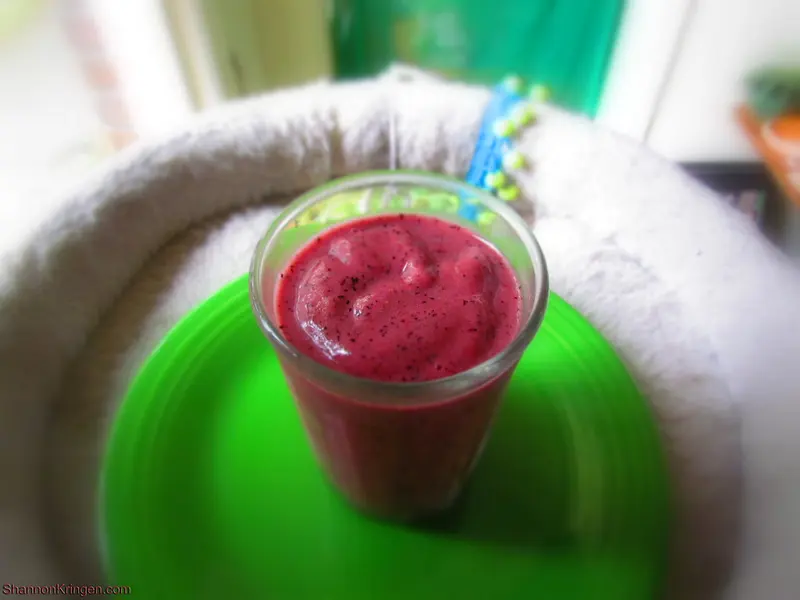
Apple & strawberry frozen juice
Just juice and fruit: apple juice with strawberry purée, on the Frozen Juice setting.
Photo: shannonkringen, CC BY-SA 2.0
The NHS counts sugar added to drinks, and the sugar in fruit juice, as 'free sugars', and recommends adults have no more than 30 g a day. If January is also about cutting down on sugar, smaller cups help more than any swap; our guide to sugar-free and low-sugar slush explains what works.
Using alcohol-free wine, beer or spirits in the machine
The shops now sell alcohol-free versions of many spirits, wines and beers. Whether they slush depends on their sugar, not their name: many alcohol-free spirits contain very little sugar, so they behave like water in the machine. Mix them with a full-sugar mixer and check the total with the calculator.
Some 'no and low' drinks also contain a little alcohol, which leads to the labels.
What the label means
In England, the Department of Health and Social Care publishes guidance on 'low alcohol descriptors'. It was issued in December 2018, when the old rules in the Food Labelling Regulations 1996 were revoked. Alcohol Change UK summarises how the words are used:
| Term on the label | What it means in the UK |
|---|---|
| Alcohol-free | No more than 0.05% ABV |
| De-alcoholised | Almost all the alcohol removed; mostly seen on 0.5% wines |
| Low alcohol | No more than 1.2% ABV |
| Non-alcoholic | Official guidance says it should not be used for drinks meant to replace alcoholic ones |
Alcohol Change UK also points out that drinks up to 0.5% can be called 'alcohol-free' elsewhere in Europe, and some of those are sold here. If you need to avoid alcohol completely (on a doctor's advice, in pregnancy, in recovery or for religious reasons), look for 0.0% on the label.
The government consulted in 2023 on changing these descriptors, including raising the 'alcohol-free' limit to 0.5%. When we checked the GOV.UK page on 22 November 2026, it showed no updated version, so check it for the current position.
A note on units
If a drink has any alcohol in it, the NHS formula still applies: ABV multiplied by the volume in millilitres, divided by 1,000. A 0.5% drink contains very little alcohol per glass, but it isn't zero, and frozen drinks are easy to finish quickly. The UK guideline is not to drink more than 14 units a week on a regular basis.
When February comes, our guide to frozen cocktails explains how to work out the units in every glass.
General information only. This article summarises official UK guidance and the makers’ own information; it isn’t medical, legal or financial advice. Follow your machine’s manual. If you are worried about someone who is unwell, call NHS 111, or 999 in an emergency.
Sources
- Alcohol Change UK: Dry January
- Alcohol Change UK: Low-alcohol, alcohol-free, non-alcoholic — what does it all mean? (April 2024)
- GOV.UK / DHSC: Low alcohol descriptors (13 December 2018)
- NHS: Calculating alcohol units (reviewed 27 August 2024)
- NHS: Sugar — how does sugar in our diet affect our health?
Checked: