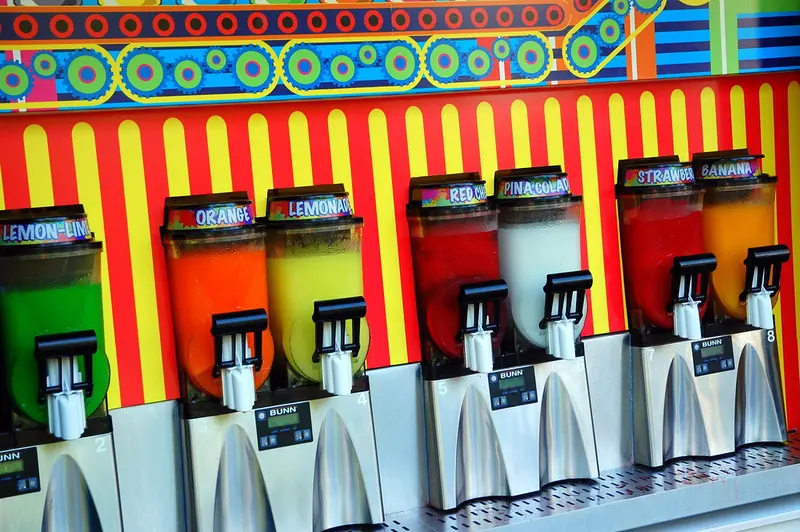
Search for "slush syrup" and you'll find two quite different things: big bottles of concentrate made for the slush machines in cafés and corner shops, and smaller flavour syrups sold for home machines such as the Ninja SLUSHi. Both can work at home, but there are three things to get right before you pour: the mixing ratio, the sugar, and whether the syrup contains glycerol. This post goes through each, with the official advice and the arithmetic.
What slush syrup actually is
A slush syrup (or slush mix, or slush concentrate) is a strong, sweet flavouring that you dilute with water before it goes in the machine. The machine then stirs and chills the mix until it turns to slush. Most of the colour and flavour comes from the syrup, and so does most of the sugar, which matters more than you might think, because sugar is what stops slush freezing into a solid block.
The classic slush flavours are the ones you'd expect from a seaside kiosk: cherry, blue raspberry, cola, lemon and lime, strawberry and mixed fruit. You don't have to buy them in syrup form. Our recipes make the same flavours from squash, juice and fizzy drinks, with the sugar worked out.
The mixing ratio: read the bottle
Commercial slush concentrates are made to be diluted at a set ratio, printed on the bottle. Ratios differ from brand to brand, so there isn't one "right" slush syrup ratio. As an example, SlushCo, a UK supplier, says of its Mr Slush Mixed Fruit syrup: "For every 1Ltr of slush syrup you pour into your slush machine tank, you add 6Ltrs of tap water." That's one part syrup to six parts water (often written 6:1). Other brands use different ratios, so always go by the label on the bottle you actually have.
Scaling a commercial ratio down to a home batch is simple arithmetic. At one part syrup to six parts water there are seven parts in all, so:
| Batch size you want | Syrup (1 part) | Water (6 parts) |
|---|---|---|
| 700 ml | 100 ml | 600 ml |
| 1 litre | about 143 ml | about 857 ml |
| 1.4 litres | 200 ml | 1,200 ml |
Mix the syrup and water in a jug first, then pour the mixed drink into the machine. Never go over your machine's maximum fill line; the machines page lists each maker's figure.
Don't be tempted to make it "stronger" with extra syrup for children. More syrup means more sugar per cup, and if the syrup contains glycerol it means more glycerol too.
Sugar: too little and it won't slush
Home slush machines need a minimum amount of sugar in the mix. Without enough, you get ice rather than slush. Each maker sets its own minimum; our guide to how slush machines work explains why sugar matters, and each machine's page gives the maker's figure.
To check a syrup, look at the "sugars" line on the nutrition label and do the dilution sum. If a label gave, say, 60 g of sugars per 100 ml of undiluted syrup (an illustrative figure, not any particular brand), mixing it one part to six would give about 60 ÷ 7 = 8.6 g of sugars per 100 ml of slush mix. Our sugar and units calculator does this for a whole batch.
Sugar-free and "zero" syrups are the ones most likely to fail in a home machine, because sweeteners don't do the job sugar does in the freezing. Our guide to sugar-free and low-sugar slush covers what does and doesn't work.
The NHS counts syrups as free sugars, and it says adults should have no more than 30 g of free sugars a day, children aged 7 to 10 no more than 24 g, and children aged 4 to 6 no more than 19 g. A big cup of slush can use up a good part of that, so smaller cups are the easy win, especially for children. See slush and children's teeth.
Glycerol (E422): check the label for children
Glycerol, listed as E422 or glycerine, is often used in commercial slush. The government's advice on GOV.UK says it "maintains the slush properties to stop the drink freezing solid". The same advice says:
- children aged under seven should not have slush ice drinks containing glycerol;
- children under 10 should have no more than one 350 ml slush ice drink with glycerol a day;
- the advice also covers ready-to-drink pouches and home kits, so it applies to slush syrups you buy for your own machine.
The label should tell you whether glycerol is in it; if you're not sure, you can ask the maker, or simply not buy it. Some suppliers say plainly that their syrups contain none: SlushCo's Mr Slush Mixed Fruit page, for example, says "CONTAINS NO GLYCERINE".
If a child becomes unwell with headaches, nausea or vomiting after a slush drink, the GOV.UK advice is to give them a drink or food containing sugar straight away and call 111 for medical advice. If they become drowsy or confused, call 999.
Our full slush safety guide has more, including allergens and cleaning.
Colours and the "sugar tax"
Bright syrups often use food colours. If a label carries a warning about activity and attention in children, we explain what that wording means in the food colours warning.
You may also see the Soft Drinks Industry Levy mentioned on concentrates for slush machines. That's a tax on producers, not on you, but it explains why some syrups are sold in reduced-sugar versions, which can be harder to freeze at home: see slush syrups and the sugar levy.
Cocktail slush syrups
Some syrups are sold as cocktail or "frozen cocktail" mixes. Alcohol lowers the freezing point, so a boozy batch needs enough sugar and not too much spirit, and every home machine has its own alcohol limit. Our guide to frozen cocktails and vodka slushies shows how to dilute spirits and work out the UK units, and keep grown-up and children's slush clearly apart.
A quick checklist before you pour
- Read the dilution ratio on the bottle and mix syrup and water in a jug first.
- Check the sugars per 100 ml and do the dilution sum, or use the calculator.
- For anyone under 10, check for glycerol (E422), and give children under seven glycerol-free slush only.
- Keep to your machine's maximum fill and its alcohol limit.
- Clean the machine after each batch: see cleaning and troubleshooting, which also covers slush that comes out too icy or too runny.
Fruit slushes
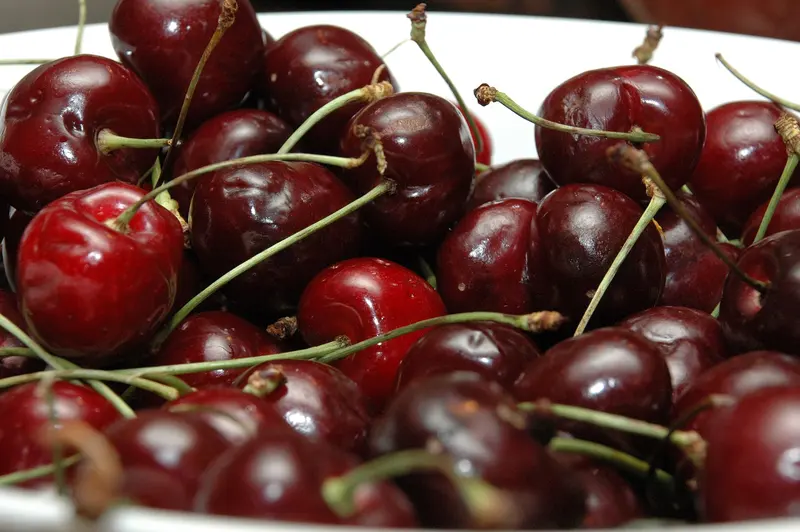
Classic cherry slush
The seaside favourite made at home: cherry squash, water and enough sugar to slush properly.
Photo: ShakataGaNai, CC BY-SA 3.0
Kids’ party
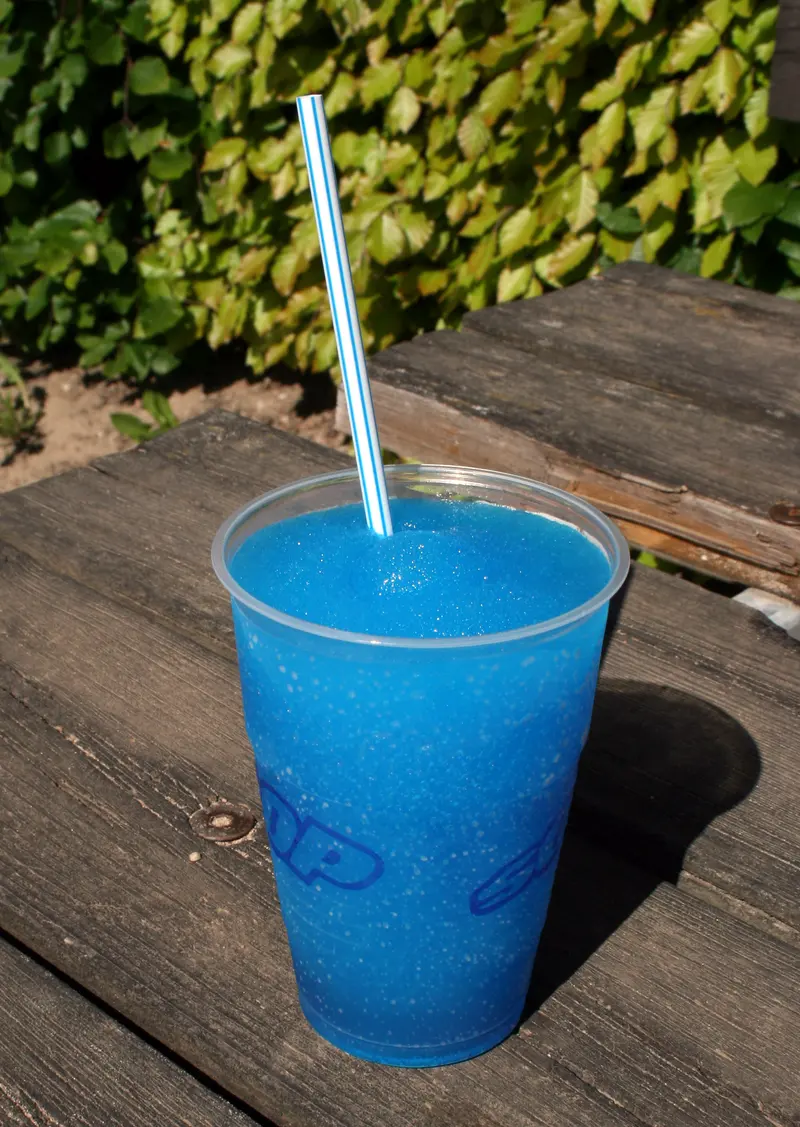
Blue raspberry party slush (glycerol-free)
The bright blue party classic, made with a sugar-based, glycerol-free syrup — the right choice when young children are drinking it.
Photo: Entheta, CC BY-SA 3.0
Cola & fizzy
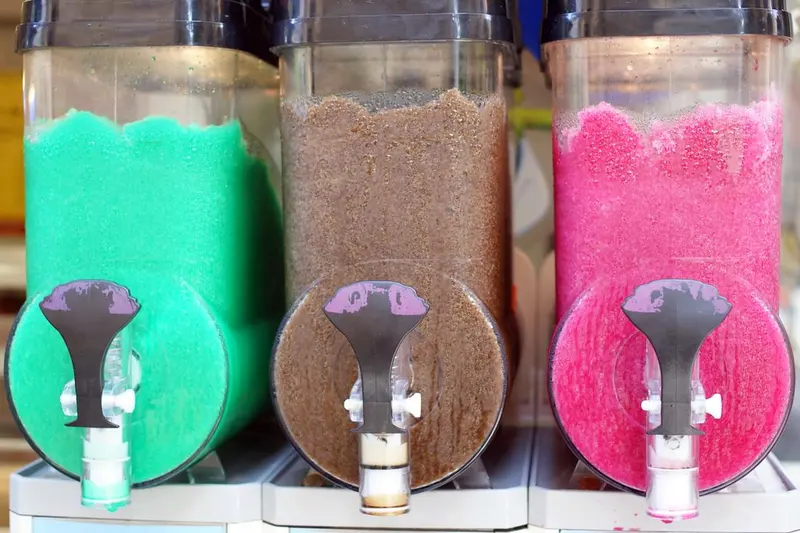
Cola slush
The simplest slush there is: pour in a full-sugar cola and press start. Diet cola won’t work — here’s why.
Photo: uitdragerij, CC BY 2.0
General information only. This article summarises official UK guidance and the makers’ own information; it isn’t medical, legal or financial advice. Follow your machine’s manual. If you are worried about someone who is unwell, call NHS 111, or 999 in an emergency.
Sources
- GOV.UK: Glycerol in slush ice drinks (published 16 July 2025)
- NHS: Sugar — how does sugar in our diet affect our health?
- SlushCo (Mr Slush): Mixed Fruit slush syrup, mixing ratio and glycerine statement
Checked: