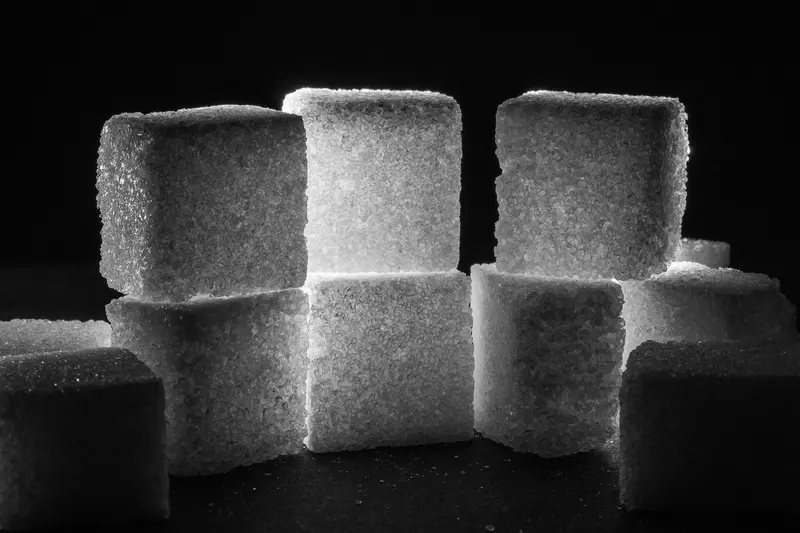
The Soft Drinks Industry Levy, often called the UK's "sugar tax", is a tax on businesses rather than on you. But it covers more than bottles of pop: drinks that are mixed with crushed ice, and some concentrates used in dispensing machines, can be liable too. Here is how HMRC's guidance on GOV.UK describes it, and what it means when you read a label for your home machine.
This is general information about how the levy works, not tax advice. Businesses should read HMRC's guidance in full or take professional advice.
Which drinks it covers
HMRC's guidance says a drink is liable only if it meets all of these conditions:
- sugar is added during production, or an ingredient containing sugar is added (other than fruit juice, vegetable juice or milk);
- it contains at least 5g of sugar per 100ml in its ready-to-drink or diluted form;
- it is ready to drink, or has to be diluted, mixed with crushed ice, or mixed with carbon dioxide;
- it is packaged so that it's ready to drink or to be diluted;
- it has an alcohol content of 1.2% ABV or less.
Note the crushed ice: a frozen drink isn't automatically outside the levy.
Two bands
The guidance sets two rates: a lower rate for drinks with 5g to under 8g of sugar per 100ml, and a higher rate for 8g or more. The rates are set per 10 litres and were last changed on 1 April 2026. For the counting, "sugar" means sucrose, glucose, fructose, lactose and galactose. Sweeteners such as stevia, aspartame and sucralose don't count.
Syrups and concentrates
For drinks that you dilute, HMRC says the sugar content is assessed in the diluted form, so it's the drink you end up with that matters, not the syrup in the bottle. (For how to dilute a syrup for a home machine and check its sugar, see slush syrup: mixing ratio, sugar and glycerol.)
Since 1 April 2023, flavour concentrates used in dispensing machines have also been liable. HMRC describes these as liquid flavourings put into a dispensing machine and mixed with sugar or other ingredients, then combined with water, carbon dioxide or crushed ice. They're liable if the dispensed drink has at least 5g of sugar per 100ml and 1.2% ABV or less.
The guidance also says that businesses which only dispense drinks into a cup, glass or takeaway cup aren't treated as packagers and don't pay the levy themselves. And making a slush at home isn't packaging anything, so nothing here applies to you as a home user.
What isn't covered
HMRC lists exemptions, including:
- drinks that are at least 75% milk, and milk-based drinks;
- some plant-based milk substitutes that meet calcium rules;
- drinks made with fruit or vegetable juice and no other added sugar;
- drinks sold as powder;
- drinks prepared by mixing liquids in an open container, such as cocktails;
- alcohol replacements such as de-alcoholised beer or wine.
Why it matters for your machine
Here's the twist for home slush makers. Home machines need a minimum amount of sugar to make slush rather than ice. The makers' minimums for the machines we cover are in how slush machines work, and our guide to sugar-free and low-sugar slush explains why many "diet" and reduced-sugar drinks won't slush on their own.
So a drink with less than 5g of sugar per 100ml, sweetened with sweeteners instead, may not freeze properly in your machine. Before you pour, check the nutrition panel: the "sugars" figure per 100ml is what counts, and the calculator works out the sugar in your whole batch.
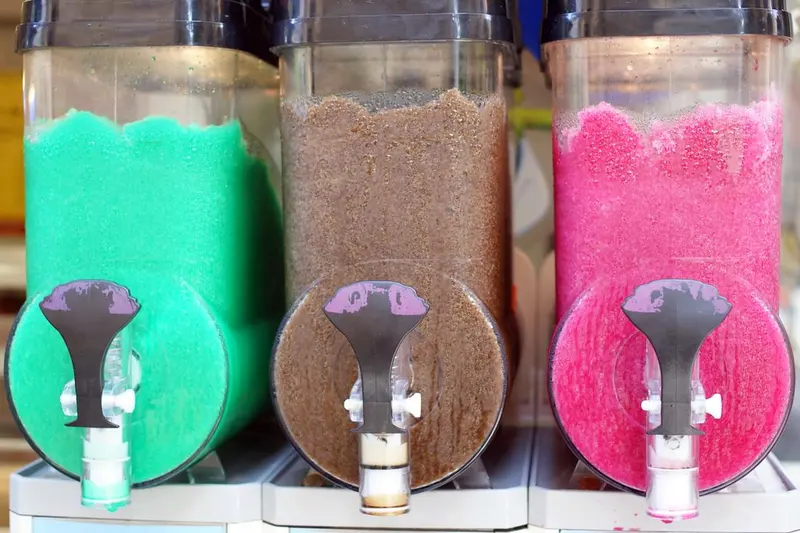
Cola & fizzy
Cola slush
The simplest slush there is: pour in a full-sugar cola and press start. Diet cola won’t work — here’s why.
Photo: uitdragerij, CC BY 2.0
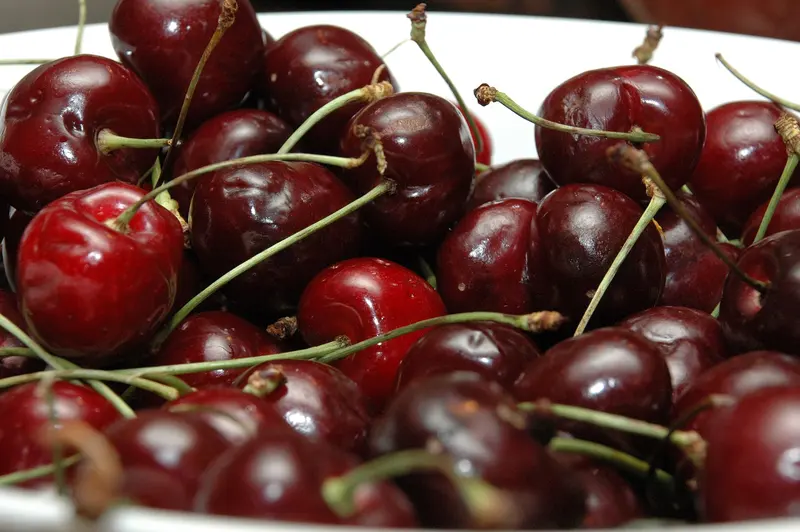
Fruit slushes
Classic cherry slush
The seaside favourite made at home: cherry squash, water and enough sugar to slush properly.
Photo: ShakataGaNai, CC BY-SA 3.0
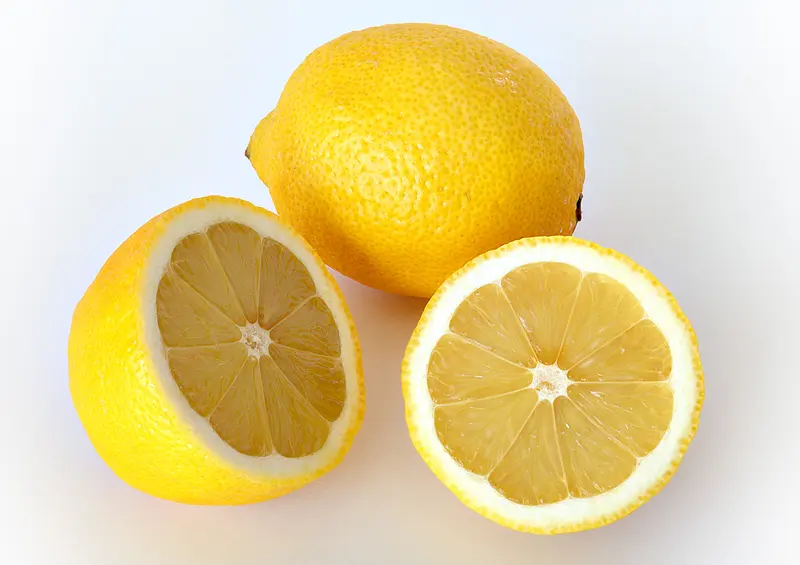
Citrus & lemonade
Fresh lemonade slush
Sharp, proper lemonade slush from lemons, sugar and water — no fizz needed.
Photo: André Karwath aka Aka, CC BY-SA 2.5
And for your health
Whatever the tax position, sugar is still worth keeping an eye on. Smaller cups, especially for children, are the simplest way to enjoy slush without overdoing the sugar; our guide to slush and children's teeth has the NHS daily limits by age.
General information only. This article summarises official UK guidance and the makers’ own information; it isn’t medical, legal or financial advice. Follow your machine’s manual. If you are worried about someone who is unwell, call NHS 111, or 999 in an emergency.
Sources
Checked: