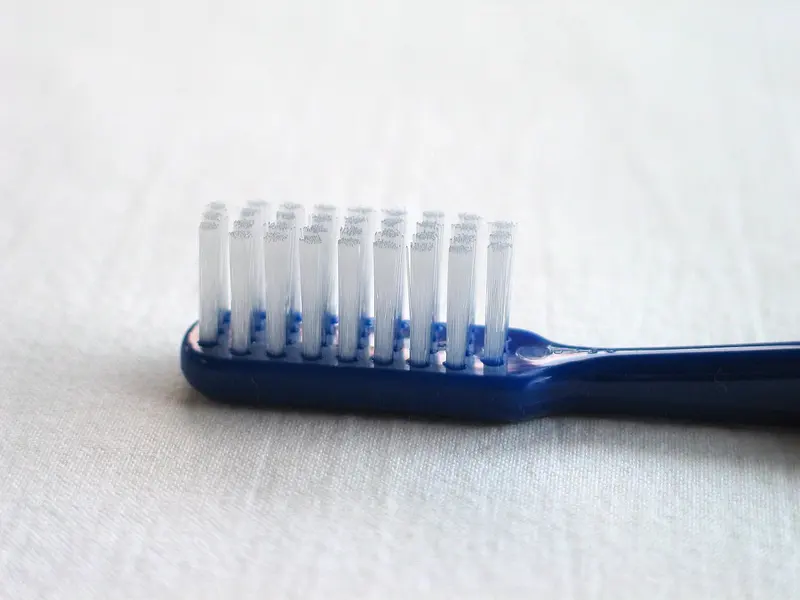
If a mouthful of slush makes one of your teeth sing out with a sharp twinge, you're not imagining it. Very cold drinks are one of the classic triggers for sensitive teeth. This post explains, from the Oral Health Foundation and the NHS, why it happens, what you can do about it, and when a twinge is a sign to see a dentist.
This is general information, not dental advice. If you have pain that worries you, see a dentist.
Why cold hurts
The Oral Health Foundation, a UK oral health charity, explains that under the hard enamel on the outside of a tooth is a layer called dentine, which has tiny channels leading to the nerve. When the enamel wears away or the gums recede, dentine is exposed, and hot, cold, sweet or acidic things can reach the nerve.
It describes the feeling as anything from a sharp pain to a longer ache. A slush is cold, sweet and often acidic all at once, so if your teeth are sensitive, it's a fair bet you'll notice.
What causes it
The Oral Health Foundation lists several causes, including:
- brushing too hard, or using a hard toothbrush;
- acid wear from fizzy drinks, fruit juices, citrus fruits or stomach acid;
- gum recession and gum disease;
- teeth grinding;
- a cracked tooth;
- tooth whitening (usually temporary).
The acid wear point is relevant to slush fans. Many slush recipes are built on fizzy drinks, fruit juice or citrus — cola, lemonade, lime. That doesn't make them off-limits, but it's a reason not to sip them all afternoon.
What helps
The Oral Health Foundation's suggestions are straightforward:
- Use a sensitive toothpaste — one containing potassium citrate, potassium nitrate or stannous fluoride — and keep using it.
- Spit, don't rinse. It says to "spit out after brushing but do not rinse with water", so the toothpaste stays on the teeth.
- Rub a little in at night. It suggests rubbing a small amount of sensitive toothpaste onto the sore area at night and leaving it there.
- Wait before brushing after something acidic. It says to "wait at least 1 hour after eating or drinking acidic foods before brushing."
- Cut down on acidic and sugary drinks.
That fourth point is easy to get wrong. After a citrus or cola slush, it's tempting to brush straight away to "clean off" the sugar. The Oral Health Foundation's advice is to wait an hour.
Slush habits that are kinder to teeth
Putting that advice together with what we already know about slush and sugar:
- Smaller cups, finished in one go, rather than a big cup sipped for hours. Our guide to slush and children's teeth explains why how often teeth meet sugar matters as well as how much.
- Have it with a meal rather than as a between-meal treat.
- Not every slush has to be citrus or cola. A mango lassi slush or a chocolate milkshake slush is built on yoghurt or milk instead, though it is still sugary.

Fruit slushes
Mango lassi slush
Mango, yoghurt, milk and a hint of cardamom — a creamy frozen lassi on the Milkshake setting.
Photo: JIP, CC BY-SA 4.0

Frappés & milkshakes
Chocolate milkshake slush
Thick, cold chocolate milkshake made in the slush machine — no ice cream needed.
Photo: Charles Willgren from Fort Collins, Colorado, United States, CC BY 2.0
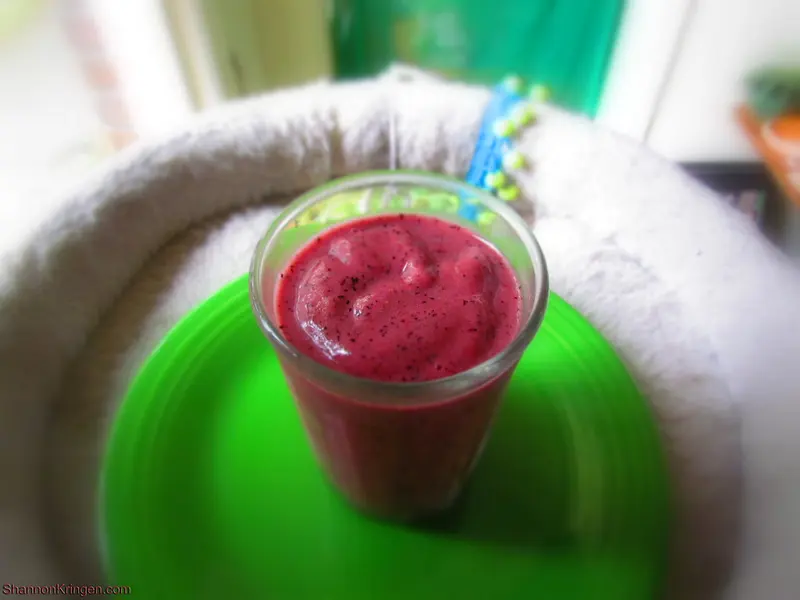
Fruit slushes
Apple & strawberry frozen juice
Just juice and fruit: apple juice with strawberry purée, on the Frozen Juice setting.
Photo: shannonkringen, CC BY-SA 2.0
When to see a dentist
The Oral Health Foundation says to see a dentist if:
- the pain is severe;
- the sensitivity lasts more than a few weeks;
- only one tooth is affected;
- the pain comes on suddenly.
The NHS toothache page adds that you should see a dentist if toothache lasts more than two days or doesn't go away with painkillers. If you don't have a dentist or can't get an emergency appointment, it says to call 111 or use 111 online for advice. While you wait, it suggests avoiding foods that are sweet, very hot or very cold — so the slush can wait too.
General information only. This article summarises official UK guidance and the makers’ own information; it isn’t medical, legal or financial advice. Follow your machine’s manual. If you are worried about someone who is unwell, call NHS 111, or 999 in an emergency.
Sources
Checked: