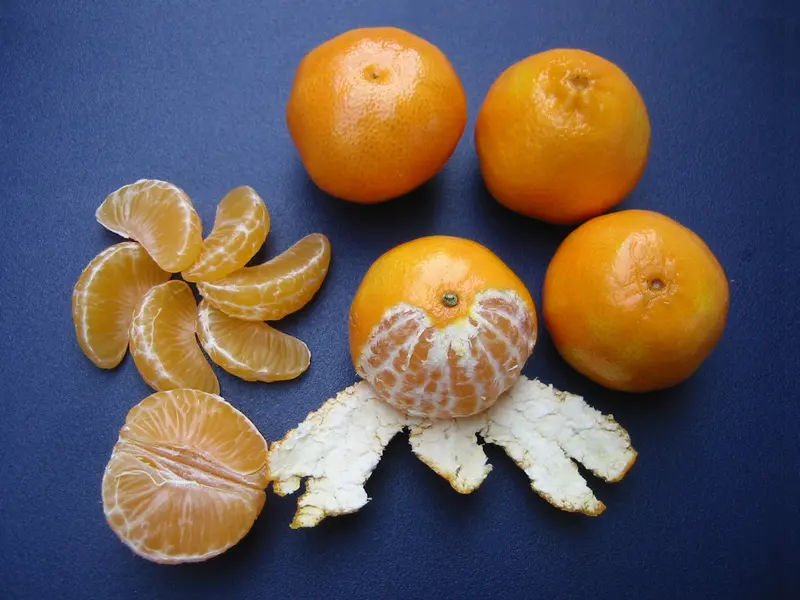
Slush is usually a summer thing, but a frozen drink on a warm, crowded Christmas afternoon can be very welcome. The supermarket shelves in December are full of seasonal flavours: clementines, cranberry juice, spiced apple, ginger. Most of them will slush, as long as you get the sugar right.
The one rule: enough sugar
Home compressor machines need a minimum amount of sugar in the mix, set by the maker. You'll find each machine's figure on its page, and the reason is explained in how slush machines work. The practical test is the nutrition label: the 'of which sugars' line per 100 ml tells you roughly what percentage of the drink is sugar.
Seasonal drinks vary a lot. Some cranberry 'juice drinks' have added sugar; some 'light' versions use sweeteners and have very little. Fresh juices have their own sugar, which varies by fruit. So read each label rather than going by the flavour, and if you are mixing several things, put the figures into the calculator to check the total.
Flavour ideas
Clementine and orange
Freshly squeezed clementines make a bright, sweet slush. Strain out the pips, top up with orange juice from a carton to make up the volume, and taste: if it's very sharp, it probably needs a little sugar syrup to reach the machine's minimum.
Cranberry and apple
Cranberry on its own is tart. Mixed with apple juice it becomes a deep red, very festive slush. Check the label on the cranberry drink; if it is a 'light' or 'no added sugar' version, the apple juice may not carry enough sugar on its own.
Ginger and lemon
Full-sugar ginger beer or ginger ale with fresh lemon juice works well, and the ginger warms it up. As with any fizzy drink, stay under the maximum fill line and follow the manual's advice on carbonated drinks.
Spiced apple
Warm apple juice gently with a cinnamon stick and a couple of cloves, let it cool, strain it, and chill it in the fridge before it goes in the machine. Don't pour a warm liquid into the machine: the colder the mix to start with, the less work the machine has to do.
If you want a starting point, these recipes on the site already meet the sugar minimums and adapt well:
Fruit slushes
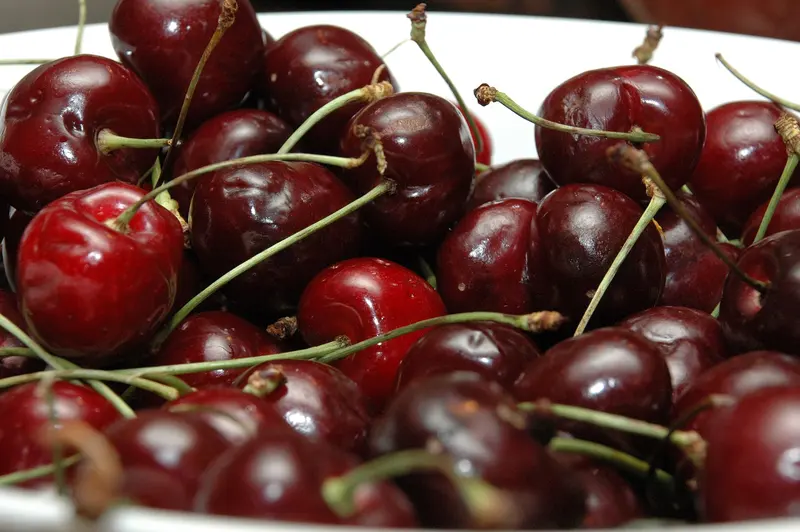
Classic cherry slush
The seaside favourite made at home: cherry squash, water and enough sugar to slush properly.
Photo: ShakataGaNai, CC BY-SA 3.0
Fruit slushes
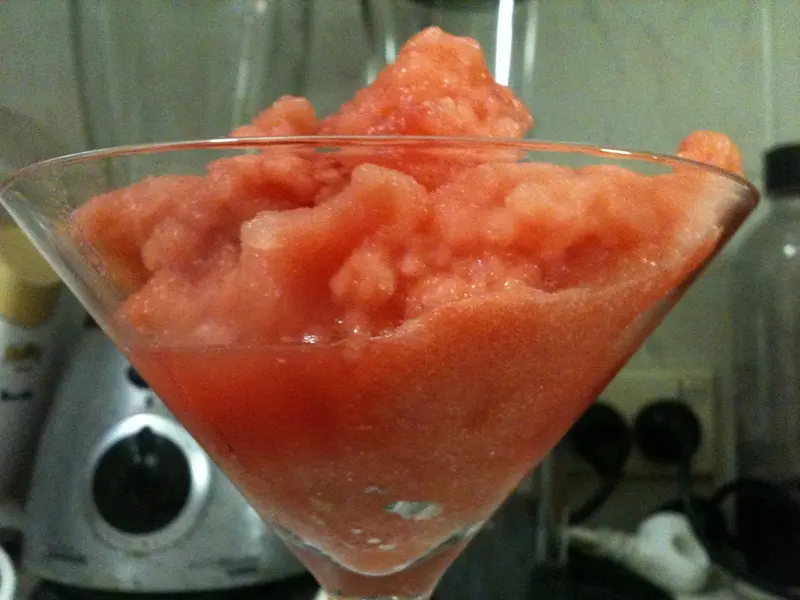
Watermelon & lime slush
Blitzed watermelon with lime and a little sugar — summery, pink and properly slushy.
Fruit slushes
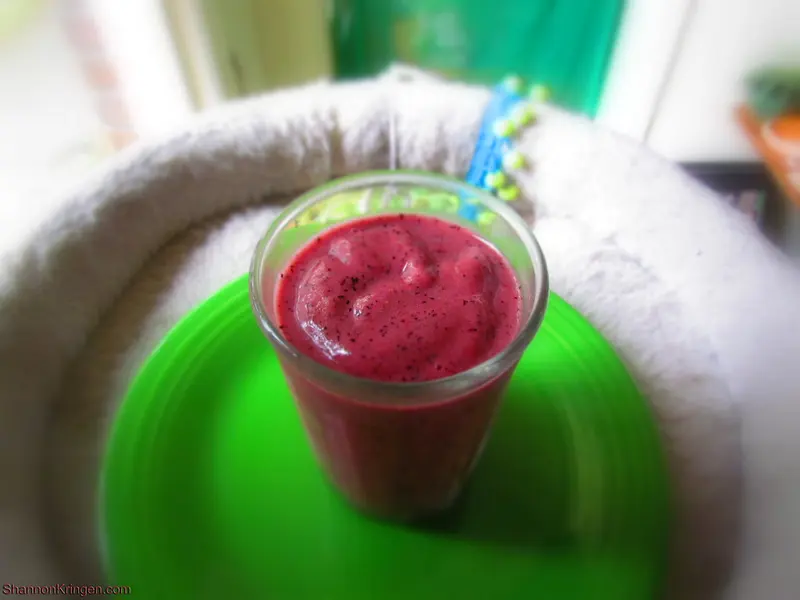
Apple & strawberry frozen juice
Just juice and fruit: apple juice with strawberry purée, on the Frozen Juice setting.
Photo: shannonkringen, CC BY-SA 2.0
Keeping the sugar sensible
The machine needs sugar, but people don't need much of it. The NHS counts the sugar in fruit juice as 'free sugar', and recommends no more than 30 g a day for adults, 24 g for children aged 7 to 10, and 19 g for children aged 4 to 6. A large cup of slush can use a good part of that. The easiest way to keep it down is a smaller cup, not a different recipe. Our guides to slush and children's teeth and fruit juice and your 5 A Day have more.
Avoid the temptation to fix a low-sugar mix with a glycerol-based slush syrup. The Food Standards Agency advises that children under seven should not have slush drinks containing glycerol, and that this includes home kits. Sugar does the same job in the machine.
Allergens in seasonal mixes
Christmas mixes are more likely than summer ones to include things people may be allergic to: nut syrups in a festive frappé, milk in an eggnog-style shake, or sulphites, which are on the list too. The FSA lists the 14 allergens that must be declared on labels. If you are serving guests, keep the bottles or a note of what went in.
Grown-up versions
Adding alcohol changes how a mix freezes, and every machine has a limit. If you are making an adult version of any of these, read our guide to frozen cocktails and vodka slushies first, keep it clearly apart from the children's batch, and count the units.
General information only. This article summarises official UK guidance and the makers’ own information; it isn’t medical, legal or financial advice. Follow your machine’s manual. If you are worried about someone who is unwell, call NHS 111, or 999 in an emergency.
Sources
- NHS: How does sugar in our diet affect our health?
- Food Standards Agency: Food allergy and intolerance advice for consumers
- Food Standards Agency: Glycerol (16 July 2025)
Checked: